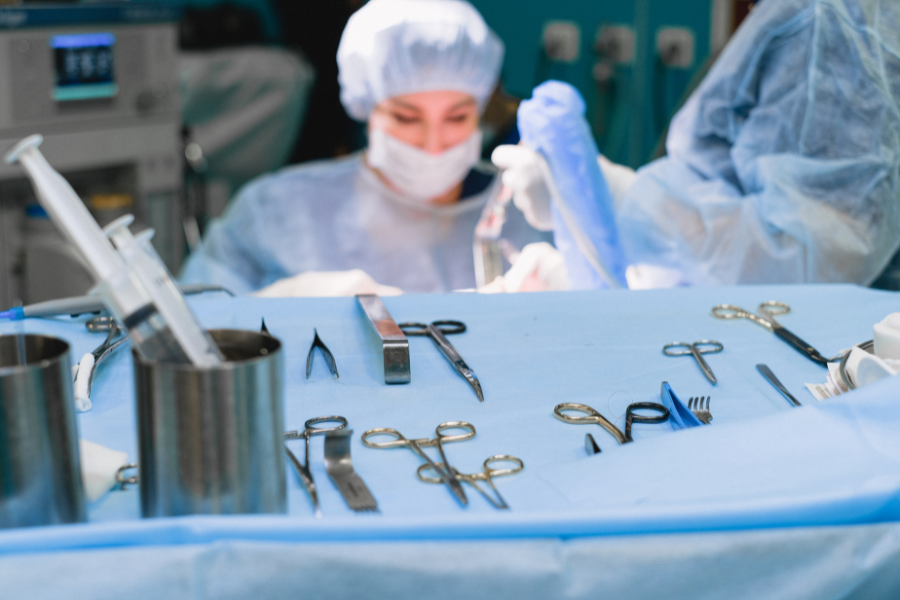
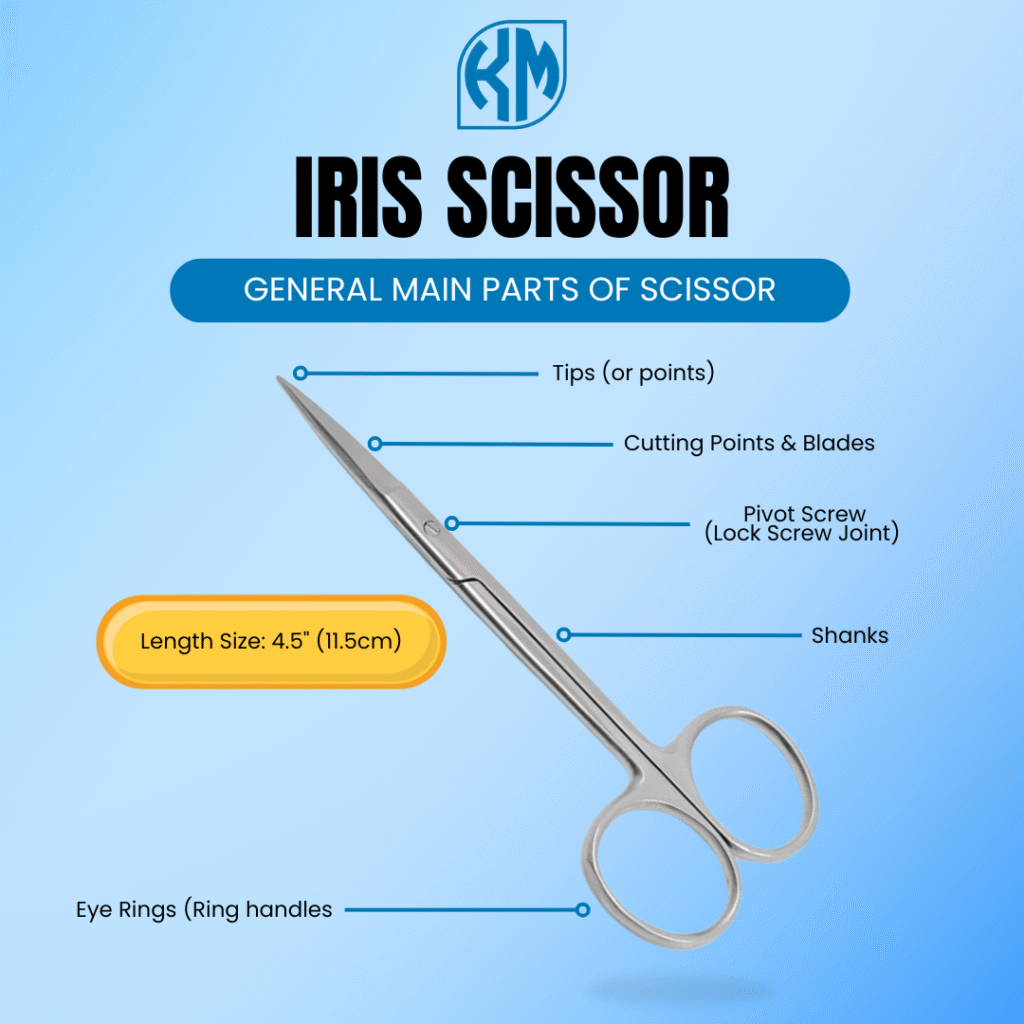
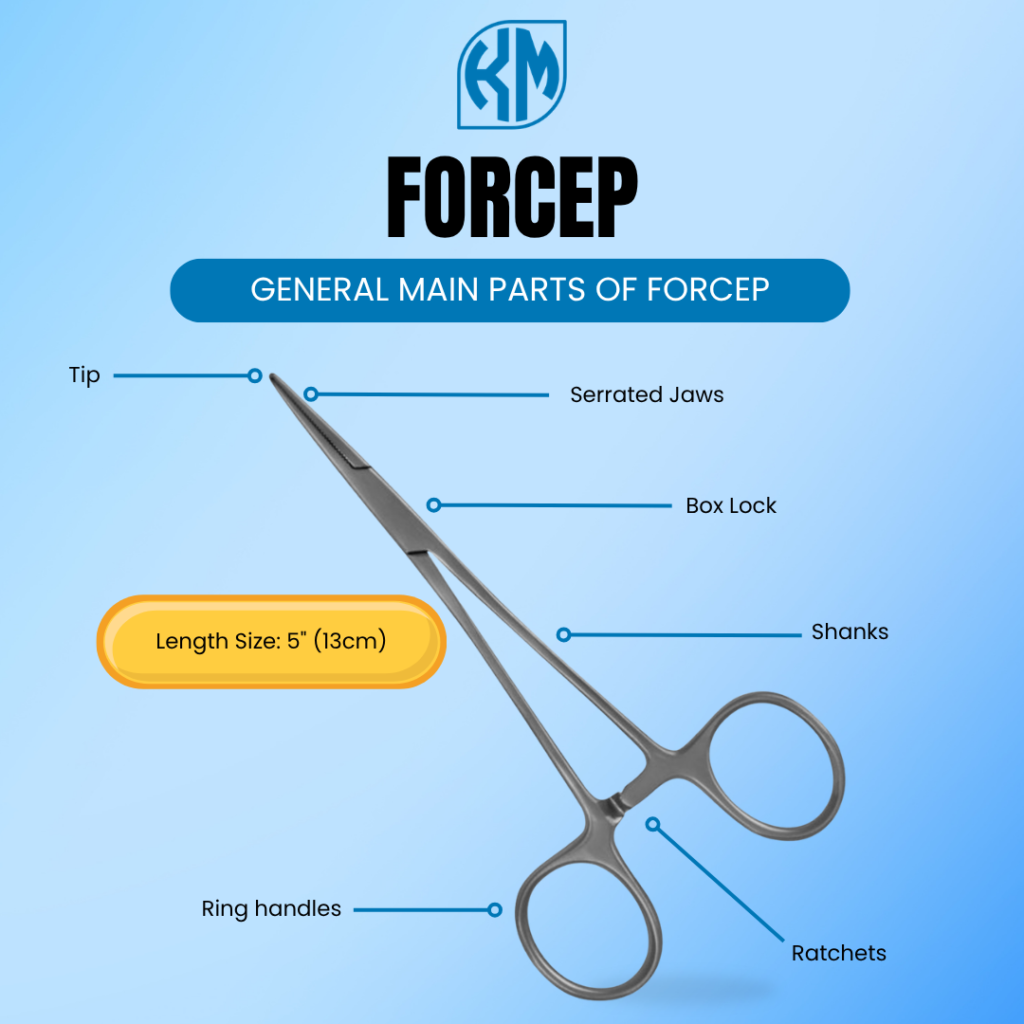
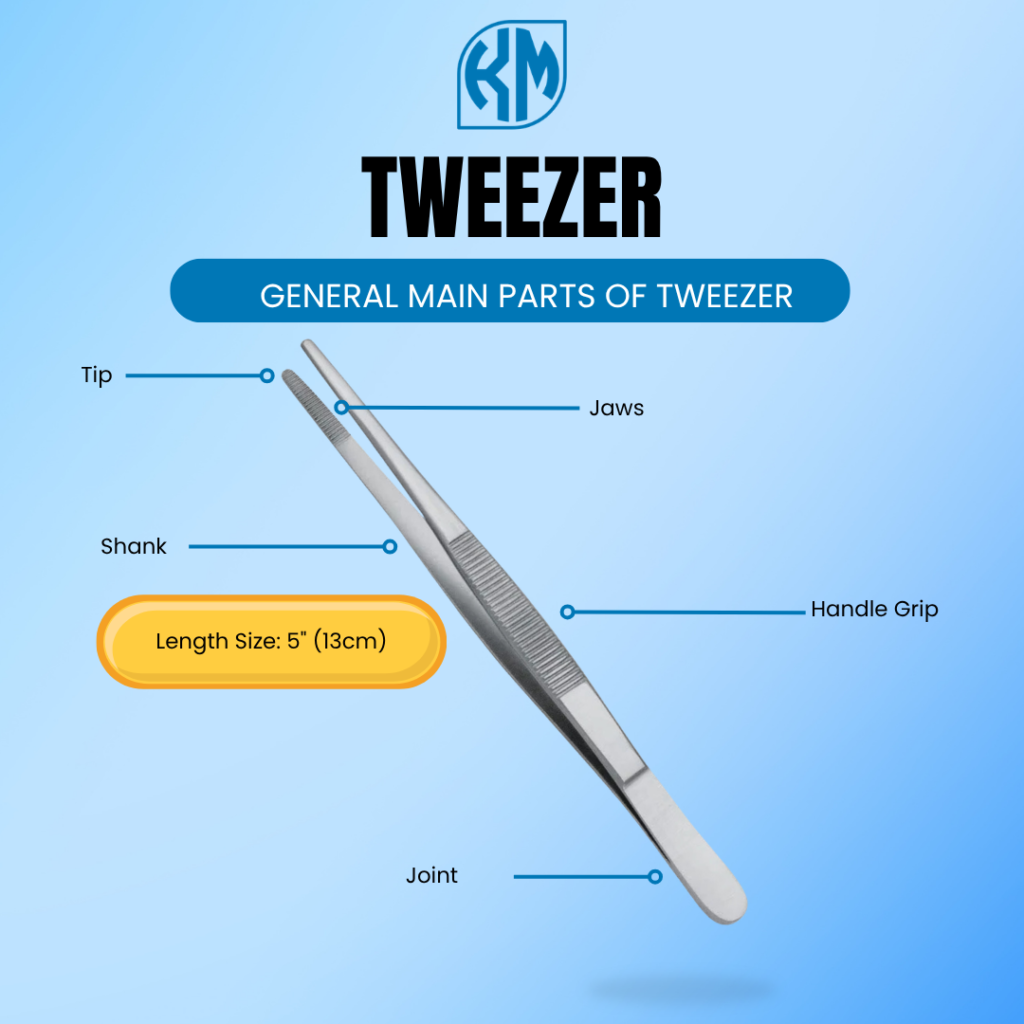
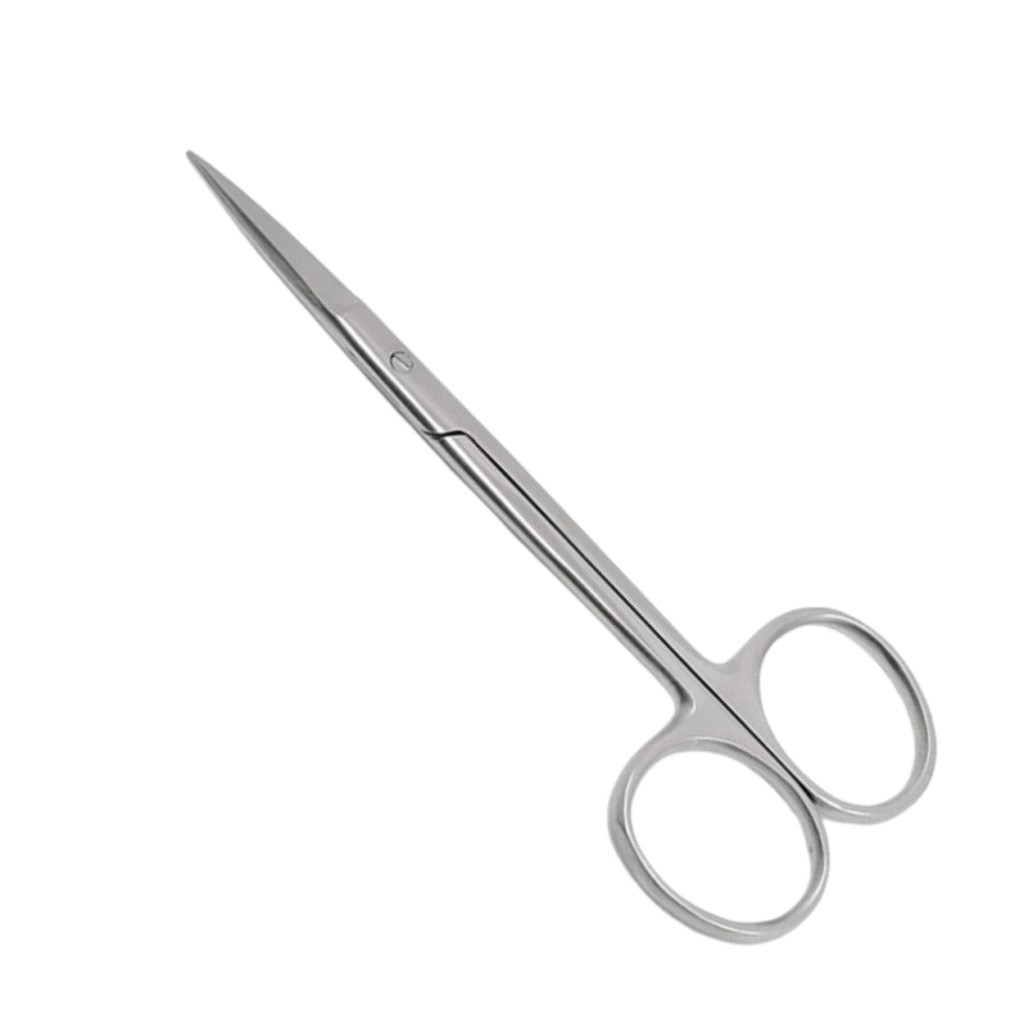
High-quality surgical instruments are defined by a set of essential characteristics that ensure safety, precision, and long-term performance in clinical environments. The most important qualities include:
• Corrosion Resistance
Instruments must resist rust and chemical damage, especially after repeated sterilization cycles.
• Strength and Durability
They should withstand mechanical stress without bending, breaking, or losing functionality over time.
• Hardness
Cutting edges and working tips must maintain their sharpness and structural integrity.
• Precision and Accuracy
Instruments should allow surgeons to perform delicate procedures with maximum control and minimal error.
• Sharpness and Cutting Efficiency
Cutting instruments must provide clean, smooth incisions to reduce tissue trauma.
• Biocompatibility
Materials must be non-reactive and safe for use within the human body.
• Ease of Sterilization
Designs should allow thorough cleaning and sterilization without compromising performance.
• Ergonomic Design
Comfortable handling and optimal grip reduce fatigue and improve surgical efficiency.
• Reliability
Instruments must perform consistently across repeated procedures.
• Ease of Maintenance
They should be easy to inspect, clean, and maintain for long-term usability.